

The Illusion of Randomness
When walking through any casino, it’s easy to feel enveloped in an atmosphere of randomness. Slot machines light up with every spin, and card games can swing in unexpected directions. This appearance of chance is a designed experience; however, the underlying mechanics are far more intricate. Many players are drawn to anonymous casinos because they offer unique features that enhance the thrill of gaming, making it a captivating experience overall.
At the core of most gaming systems, random number generators (RNGs) play a pivotal role. These computer algorithms are responsible for producing unpredictable outcomes in games like slots and electronic roulette. While RNGs are designed to ensure fairness and unpredictability, they operate within a framework that can be analyzed for trends and outcomes. Thus, while it may appear that every spin or card dealt is entirely random, there’s an underlying statistical structure that comes into play, which players often overlook.
Furthermore, the concept of randomness in a casino setting can be further scrutinized through the lens of behavioral economics. People have cognitive biases that lead them to believe patterns exist in randomness when, in fact, the outcomes are independent. The fallacy of the gambler’s belief, for example, leads players to think that a winning streak will influence future games, despite past outcomes having no bearing on what comes next. This psychological nuance is just one aspect of how randomness in casinos is perceived and manipulated, creating an environment where the illusion of free play thrives.
The House Edge and Game Design
Every game in a casino is meticulously crafted to ensure that the house maintains a slight edge over players. This concept, known as the house edge, is an essential aspect of casino operations. For instance, in games like roulette, while the ball’s landing spot may seem random, the presence of the zero (or double zero) on the wheel gives the house an advantage over the players. Consequently, this edge is mathematically calculated and can skew a player’s chances of winning over time, despite any short-term wins they may enjoy.
The design of games also incorporates elements that enhance the perceived randomness. For example, many slot machines offer a variety of themes and bonus rounds that can create an engaging experience, diverting attention from the odds of winning. This gamification not only keeps players entertained but also reinforces the notion of randomness. Players remember the thrill of hitting a jackpot even if their overall loss rate is high, further influenced by cognitive biases that favor short-term wins over long-term probabilities.
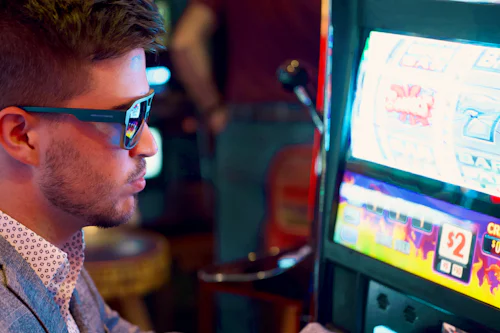
Moreover, casinos utilize promotions and loyalty programs that make players feel rewarded, enhancing the illusion of randomness. Players might receive bonuses, free spins, or comp points, which create an environment where the chance to win seems more tangible. In reality, all these incentives are calculated to keep players engaged and returning, further embedding the complexity of perceived randomness within a structured environment that benefits the house financially.
Statistical Analysis and Player Behavior
Modern casinos often employ data analysts to examine player behavior and game performance critically. These professionals gather vast amounts of data on how games fare over time and how players interact with them. By understanding player tendencies, casinos can refine their offerings to maximize player engagement while ensuring that the house edge remains intact. Analytics play a significant role in shaping game design, pricing strategies, and marketing efforts.
Statistical analysis demonstrates that while individual spins or hands may feel random, patterns emerge when viewed over a more extended period. This insight can be particularly useful for casino operators who want to predict and anticipate player habits. For instance, if data shows that players are more likely to gamble later in the evening, casinos can adjust their staffing and promotions to capitalize on this behavior. However, for the players themselves, understanding these statistical probabilities is crucial for making informed decisions about their gameplay, further dismantling the façade of randomness.
Additionally, players can leverage statistical knowledge to develop strategies, especially in games like poker or blackjack, where skill and decision-making significantly impact outcomes. While the randomness of a card draw exists, employing probability and statistics can improve a player’s ability to navigate the game effectively. In this way, while casinos rely on the illusion of randomness to draw people in, an informed player can challenge that randomness by understanding the underlying probabilities that govern the games.
Technological Innovations and Fairness
The advent of technology has had a substantial impact on the gaming industry, particularly in how casinos ensure fairness and transparency. Today, many casinos utilize blockchain technology to enhance the randomness and verifiability of game outcomes. This technology allows players to confirm that outcomes are genuinely random and not manipulated, providing them with more confidence in their gaming experience. As transparency becomes more critical to players, casinos continuously evolve to meet these demands.
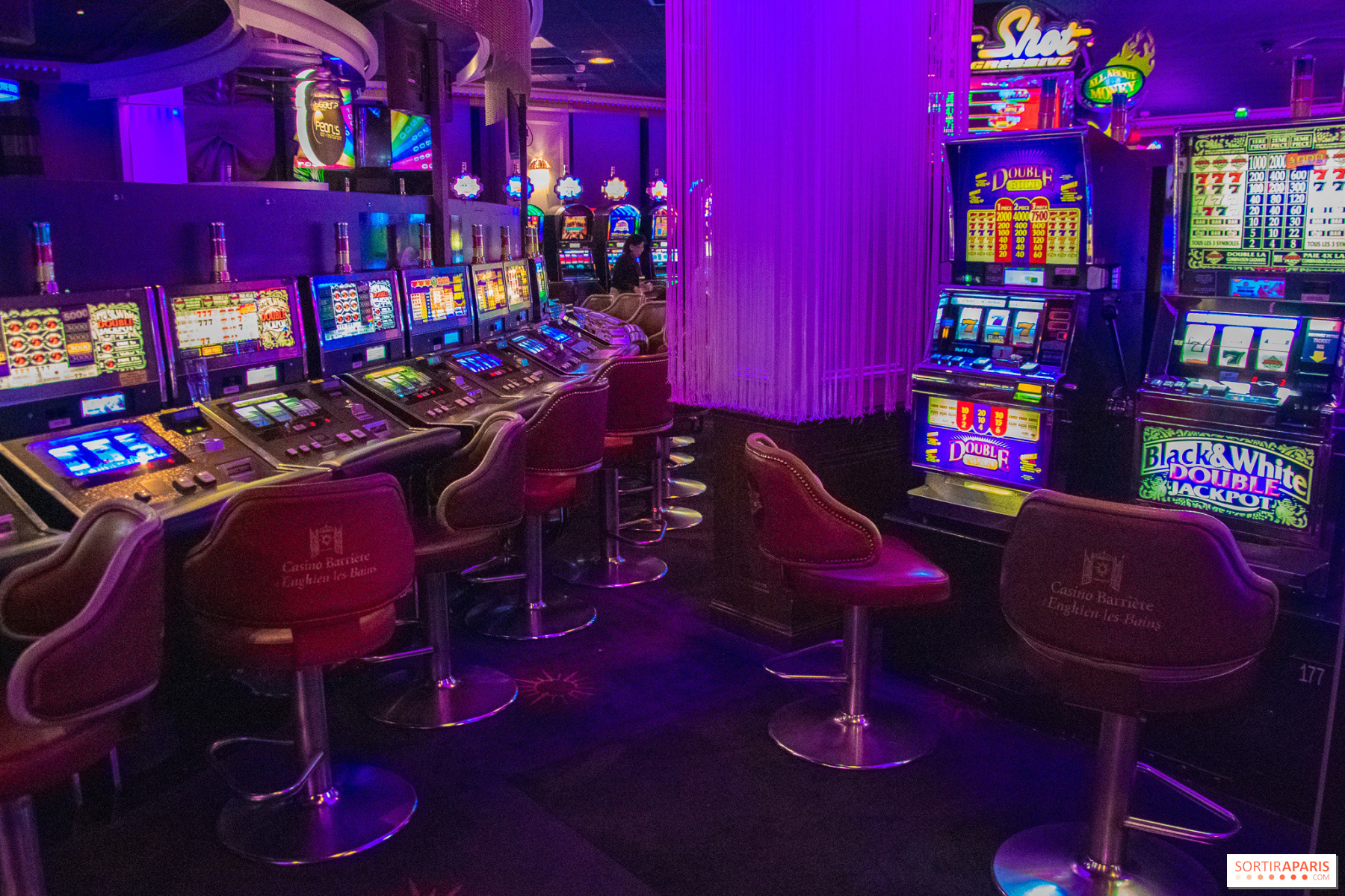
Additionally, live dealer games have surged in popularity, merging the randomness of online gaming with the excitement of physical casinos. These games use real dealers and can be streamed live, creating an immersive experience. Players often appreciate the authenticity and feel more connected to the random outcome of each game. Such innovations reflect a shift in the casino industry toward greater transparency, helping to dispel some of the myths surrounding randomness.
Finally, the introduction of artificial intelligence in casinos is revolutionizing how randomness is perceived. AI can analyze player behavior in real-time, adjusting game mechanics and offerings to enhance the overall experience. By tailoring games to individual preferences while upholding randomness, AI ensures players remain engaged in a fair gaming environment. Although technology can enhance player experiences, it also emphasizes the importance of understanding the sophisticated systems at play, revealing that while randomness exists, it is supported by complex systems designed for both fairness and profitability.
Understanding the Complex Nature of Casinos
Casinos have long captivated people with their allure of risk and reward. However, as players delve deeper into the mechanics of these establishments, the complexity of the systems governing randomness becomes more apparent. While the thrill of chance draws players in, a more profound understanding of how casinos operate can shift perspectives. By recognizing the interplay between randomness and the house edge, players can make more informed decisions regarding their gaming strategies.
As gaming technology continues to evolve, it remains crucial for players to stay informed about the ongoing developments in the industry. Understanding the significance of randomness, game design, and player behavior allows individuals to navigate casinos more intelligently. This knowledge not only enhances their gaming experience but also empowers them to approach games with a strategic mindset, ultimately leading to more conscious gambling choices.
In conclusion, while casinos may appear random on the surface, a layer of complexity underlies the thrill of chance. From the algorithms of RNGs to the careful design of games, every aspect contributes to the casino’s ecosystem. Players who embrace this understanding can not only enjoy the excitement of gaming but also maximize their chances of success in an environment where knowledge truly is power.

